4:29
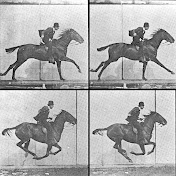
Mother (2009) - The Telephoto Profile Shot
Every Frame a Painting909K viewsHow Bong Joon-ho uses the telephoto profile shot in Mother.
101,211 videos · Craft and analysis: film, painting, music and design.
4:29How Bong Joon-ho uses the telephoto profile shot in Mother.
 5:57
How the sustained two-shot lets actors play a scene together without cutting.
 5:01
How filmmakers have tried to show texting and the internet on screen, and which approaches work.
 3:34
How Drive's director divides the frame into quadrants to show who controls each scene.
 6:29
How Mamoru Hosoda's lateral tracking shot shows time passing in Wolf Children.
 5:06
How the documentary The Imposter uses subjects looking into the lens.
 8:00
How Edgar Wright builds jokes out of camera movement, framing, sound and editing rather than dialogue, contrasted with flatter Hollywood comedy coverage.
 5:19
How directors use chairs and seating to stage dialogue scenes and power dynamics.
 3:11
How Kurosawa arranges actors geometrically in a single long take from The Bad Sleep Well.
 6:09
How Robin Williams used physical movement and blocking, and how directors staged him.
 4:31
What Orson Welles's F for Fake teaches about structuring an essay film.
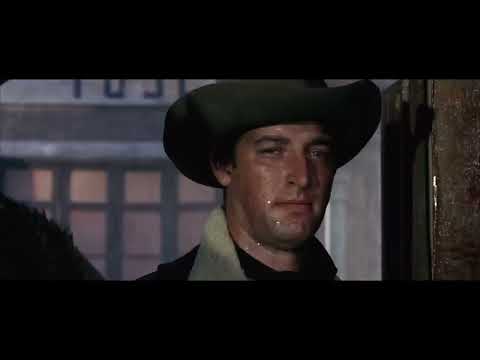 9:25
Uses Walter Murch's ideas and real examples to show how editors decide when to cut, and how rhythm and emotion drive editing.
 8:54
Traces Chuck Jones's development as an animator and the rules and timing principles behind the Road Runner and Bugs Bunny shorts.
 7:59
Explains how Spielberg stages long single-shot scenes (the 'oner') that hide their complexity through blocking and camera movement.
 7:29
Examines David Fincher's precise camera language: locked-off framing, motivated movement and why his camera rarely feels handheld.
 7:34
A close reading of David's The Death of Socrates: composition, gesture and symbolism.
 7:05
Shows how the Coen brothers use the humble shot/reverse-shot setup with unusual precision in lens choice, eyelines and framing.
 13:12
Seven levels of jazz harmony, from triads to upper-structure and modal reharmonisation, demonstrated at the keyboard.
 34:29
Explores the upper and lower limits of tempo, where rhythm turns into pitch, and the psychology of perceiving beat.
 6:46
Breaks down Bong Joon-ho's ensemble staging in Memories of Murder: how he keeps many actors in one frame and directs the viewer's eye.
 9:06
How Vancouver doubles for other cities in film and TV, and what is lost when a real place is never allowed to play itself.
 15:01
Frida Kahlo's The Two Fridas and how it reflects her divorce and dual identity.
 6:09
How Martin Scorsese uses sudden silence as a sound-design tool to heighten key moments.
 14:06
Tests claims about 432 Hz tuning and explains tuning standards and temperaments along the way.
 36:12
A 36-minute study of Leonardo's Last Supper: experimental technique, deterioration, restoration and composition.
 48:29
Explains Microsoft's typographic legacy, from core web fonts to ClearType.
 12:42
Explains the design of King Charles III's royal cypher.
 7:50
Why painters use a warm yellow underpainting and how it affects the final colour.
 25:36
Explains the history and design of the Papyrus typeface.
 17:34
Why filmmakers deliberately break continuity and what editors prioritise instead.
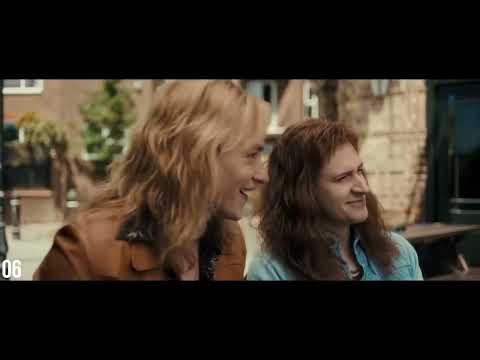 13:11
A cut-by-cut breakdown of the over-edited scene in Bohemian Rhapsody and what good editing does instead.
 7:24
Compares how different directors answer the basic question of where to place the camera, using Kurosawa, Spielberg and others.
 8:58
How field of view works in video games and how it affects concept art.

Kirby Ferguson's series showing how music, film and technology are built from copying, transforming and combining earlier work.
 7:00
Captain Disillusion explains how colour works in video and image editing: colour models, channels and grading.
 14:45
How Gaudí and Frei Otto used hanging chain and upside-down models to find structural forms.
As an Amazon Associate, BrighterTube earns from qualifying purchases.